

Pilot
Becoming a pilot typically requires a bachelor’s degree in aviation, aeronautical engineering, or a related field from accredited aviation schools like Embry-Riddle Aeronautical University or BCIT Aerospace Campus in Richmond. Additionally, aspiring pilots must complete flight training through a certified flight school and obtain a commercial pilot’s license (CPL).
Pilots must also earn various certifications and ratings, such as a private pilot license (PPL), instrument rating (IR), and multi-engine rating (ME). Additional certifications may be required based on the type of aircraft they intend to fly.
Pilots can start their careers as flight instructors, charter pilots, or regional airline pilots and progress to become commercial airline captains or corporate pilots with experience.
Aircraft Mechanic
Aircraft mechanics, also known as aviation maintenance technicians (AMTs), require a high school diploma or equivalent and must complete a certified aviation maintenance technician program. BCIT Aerospace Campus offers programs in aircraft maintenance engineering.
Mechanics must obtain an Airframe and Powerplant (A&P) certificate issued by the FAA or Transport Canada. Continuing education and recurrent training are necessary to maintain certification.
Aircraft mechanics can work in various settings, including airlines, maintenance repair organizations (MROs), or aircraft manufacturing companies. With experience, they may advance to lead mechanic or inspector roles.
Aerospace Engineer
Aerospace engineers typically need a bachelor’s degree in aerospace engineering or a related field. Embry-Riddle Aeronautical University offers specialized programs in aerospace engineering. Advanced positions may require a master’s or doctoral degree.
Obtaining a Professional Engineer (PE) license can enhance career prospects and credibility.
Aerospace engineers can work in research and development, design, testing, or production of aircraft and spacecraft. They may advance to managerial or leadership roles with experience and expertise.
Air Traffic Controller
Air traffic controllers typically need an associate’s or bachelor’s degree from an accredited institution. BCIT Aerospace Campus offers relevant programs in air traffic management. Additionally, candidates must complete specialized training through NAV Canada or the Federal Aviation Administration (FAA) in the United States.
Controllers must pass the NAV Canada training program or FAA Academy training program if located in the US and obtain certification through on-the-job training and evaluations.
Air traffic controllers can advance to supervisory or managerial positions within control towers, approach control facilities, or en-route centers.
Educational Resources
Aviation Schools

BCIT Aerospace Campus
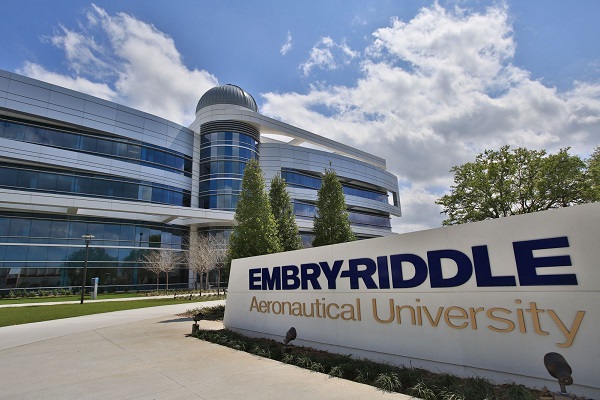
Embry-Riddle Aeronautical University
Online Courses
Online platforms like Coursera, Udemy, and Khan Academy offer courses in aviation fundamentals, air traffic control, aircraft maintenance, and aerospace engineering.


Scholarships
The British Columbia Aviation Council (BCAC) proudly offers Canada’s largest aviation and aerospace scholarship program, providing over $150,000 in scholarships and support annually. The BCAC, recognizing the industry’s critical human resource shortage and the importance of supporting recovery efforts, has made scholarships a major focus. Members have significantly contributed to this initiative, allowing for cash awards ranging from $1,500 to $20,000. Beyond the financial benefit, these scholarships enhance recipients’ résumés, with the selection process led by a committee of industry leaders.
Additionally, many aviation schools and organizations offer their own scholarship programs to support aspiring pilots, air traffic controllers, mechanics, and engineers.
Additionally, many aviation schools and organizations offer their own scholarship programs to support aspiring pilots, air traffic controllers, mechanics, and engineers.

Internships
Airlines, airports, aerospace companies, and government agencies often offer internship opportunities for students interested in gaining hands-on experience in the aviation industry. These internships provide valuable insight into different career paths and may lead to future employment opportunities. Possible companies hiring for internships include: