
Welcome to our dedicated section on experimental aviation, where we explore the innovative technologies and future concepts that are shaping the aviation industry. This page delves into exciting developments in electric Vertical Take-Off and Landing (eVTOL) aircraft, the use of drones across various sectors, and a glimpse into the future possibilities of flight. Join us in exploring the cutting edge of aviation technology!
Revolutionizing Urban Transport
eVTOLs are electric aircraft capable of vertical takeoff and landing, offering a groundbreaking approach to urban transportation. These aircraft are not just a concept but a rapidly evolving technology poised to transform cityscapes and the way we commute. By flying directly to destinations without the constraints of road networks or traditional flight paths, eVTOLs promise to drastically reduce travel times in urban environments.
Faster Travel Times
In congested cities, eVTOLs can significantly shorten commutes. Free from the shackles of traffic jams and fixed routes, these aircraft provide a swift, efficient, and flexible mode of transportation, turning what was once a hour-long car ride into a quick aerial trip.
Noise Reduction
One of the standout features of eVTOLs is their quiet operation. Unlike traditional airplanes and helicopters, eVTOLs utilize quieter electric motors. This reduction in noise pollution is crucial for their acceptance in densely populated areas, making them an environmentally and socially responsible option for mass transit.
Enhanced Accessibility
eVTOLs can reach areas that are typically challenging for ground transportation, from remote locations to tightly-packed urban centers. Moreover, they offer an invaluable service to individuals with mobility limitations, providing a new layer of independence and accessibility.
Fuel Efficiency
As fully electric vehicles, eVTOLs utilize electricity instead of fossil fuels, aligning with global sustainability goals. This not only helps in reducing operational costs but also cuts down on urban air pollution, contributing to cleaner cities.
Drones and Unmanned Aircraft
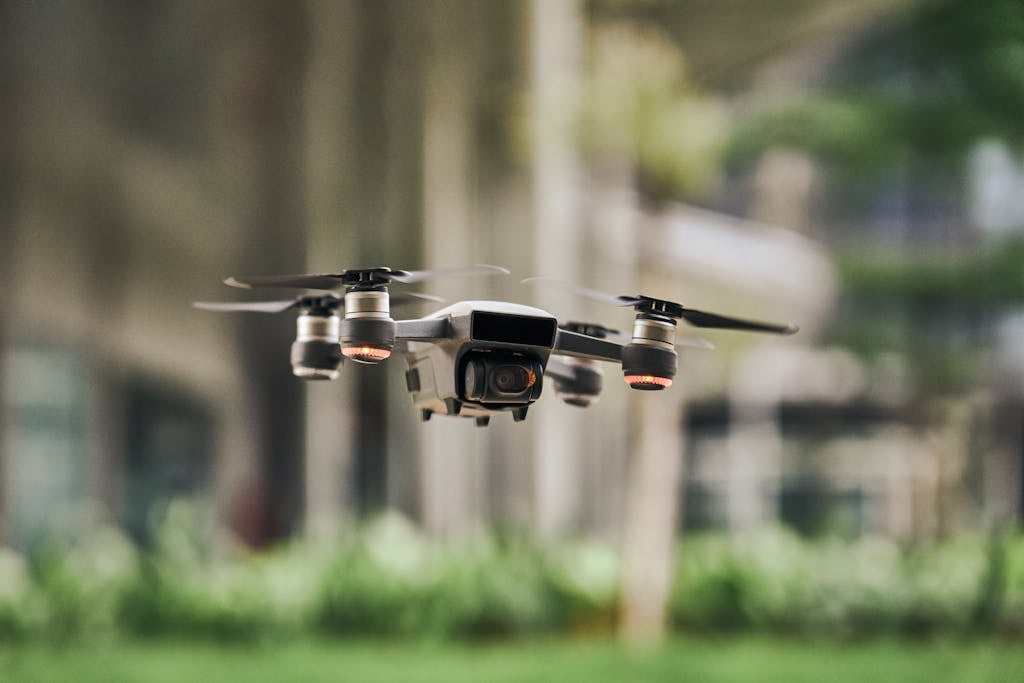
Drones, or unmanned aerial vehicles (UAVs), are no longer just tools for military use but are now integral to civilian applications such as logistics, agriculture, and entertainment. Their ability to perform tasks ranging from aerial photography to crop monitoring efficiently highlights their versatility.
Expanding Horizons in Various Sectors
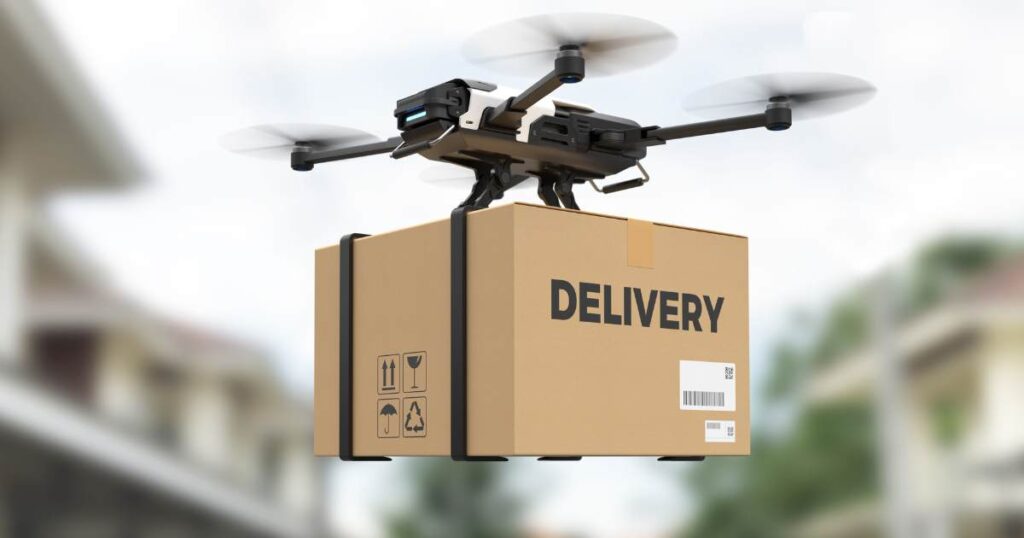
Logistics
Drones expedite shipping and delivery processes, especially in inaccessible areas, reducing delivery times and costs.

Agriculture
UAVs are transforming farming techniques, used for everything from planting seeds to monitoring crop health and spraying pesticides.
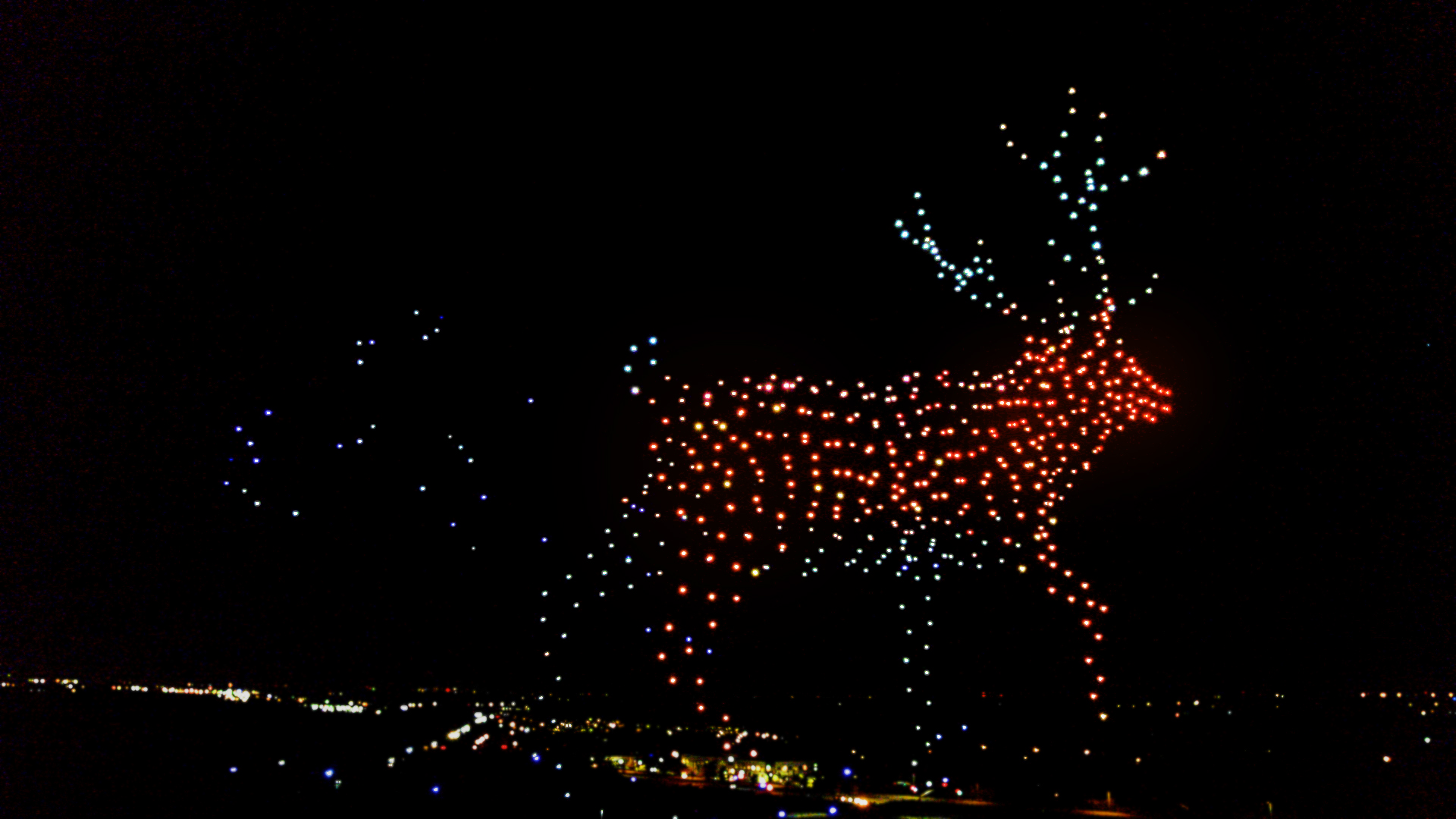
Entertainment
Drones have become popular in creating mesmerizing light shows and filming from unique angles in cinematography.
Regulatory Challenges and Future Trends
As the use of drones expands, so does the need for comprehensive regulations to ensure safe and ethical usage. The future of UAVs includes enhanced autonomous capabilities, improved battery life, and even more sophisticated integration into commercial and personal sectors.
Future of Flight
Looking ahead, the potential advancements in aviation technology are boundless. From hypersonic travel, reducing international flight times by hours, to AI pilots, capable of operating aircraft with precision and safety possibly surpassing human capabilities, the horizon is as broad as it is thrilling.
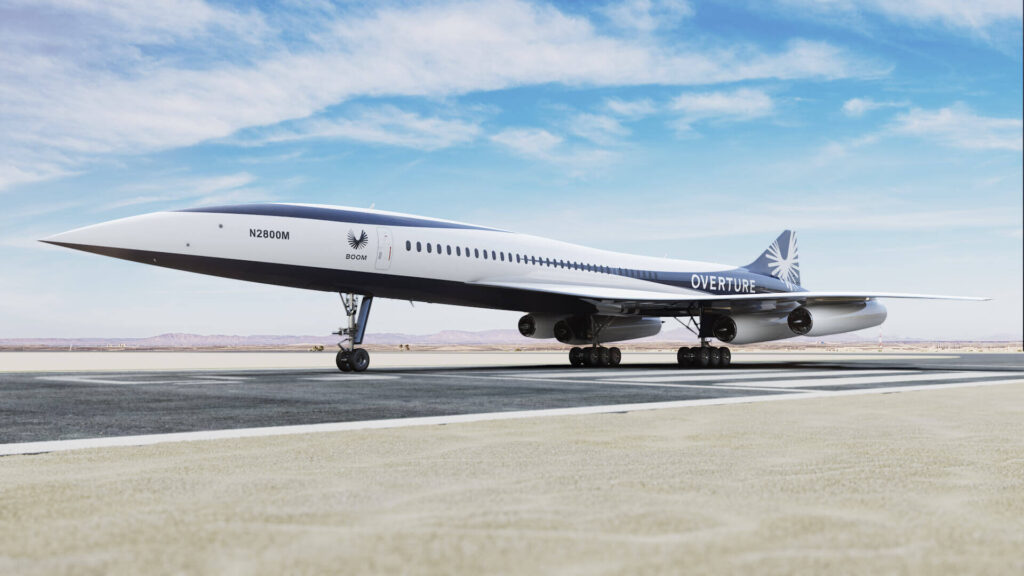
Innovations on the Horizon
Hypersonic Travel
Imagine travelling from New York to London in 3.5 hours—that’s the promise of hypersonic travel. Aircraft operating at hypersonic speeds, defined as speeds greater than Mach 5 (five times the speed of sound), represent a quantum leap in aviation technology. These speeds are achieved through sophisticated propulsion systems like scramjets, which are capable of handling the intense heat and pressure associated with such rapid movement through the atmosphere. This technology is not only about minimizing travel time; it also has the potential to make international business more dynamic and create more opportunities for cultural exchange by making distant parts of the world more accessible.
AI Pilots
Artificial intelligence is set to revolutionize the cockpit. Advances in AI could lead to fully automated flights, where AI pilots manage everything from navigation to emergency procedures, potentially surpassing human capabilities in terms of reaction times and simultaneous data processing. These systems are designed to learn from vast amounts of aviation data, improving their decision-making processes continuously. By reducing human error, AI pilots could enhance the safety and efficiency of air travel. Furthermore, automating routine flights could allow human pilots to concentrate on more critical decision-making tasks and oversee the AI, ensuring that the integration enhances rather than replaces human judgment.